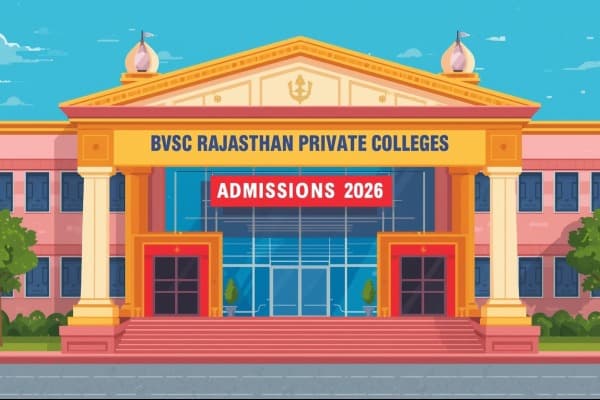
Choosing the Right BHMS College: A Complete Guide for Aspiring Homeopaths
Selecting the best BHMS college can shape your career in homeopathy. This guide covers crucial factors like accreditation, campus life, fees, and placement support to help you make an informed decision.
 Dinesh Choudhary
Introduction
Thinking about pursuing a career in homeopathy? A Bachelor of Homeopathic Medicine and Surgery (BHMS) degree is your first step. But with so many colleges offering BHMS across India, choosing the right one can feel overwhelming. From campus facilities to faculty expertise, every detail can make a difference. Let’s break down what you need to know before making this important choice.
Understanding the BHMS Course
First things first—what exactly does a BHMS course cover? This 5.5-year undergraduate program (which includes a one-year internship) is designed to equip students with in-depth knowledge of homeopathic medicine, human anatomy, surgery basics, and clinical skills. You’ll study:
- Homeopathic Philosophy & Materia Medica
- Human Anatomy and Physiology
- Pathology, Microbiology, and Forensic Medicine
- Community Medicine
- Case Taking & Repertorization
Beyond classroom lectures, expect practical sessions, patient case studies, and hands-on experience during your internship. This practical exposure sets the foundation for a successful homeopathy career.
Key Factors to Consider When Choosing a BHMS College
Not all BHMS colleges are created equal. Here’s what you should look for before making your decision:
- Accreditation and Recognition
Always check if the college is recognized by the Central Council of Homeopathy (CCH) and affiliated with a reputed university. This ensures your degree holds value for jobs and higher studies. - Faculty Expertise
Experienced professors and doctors offer better guidance and mentorship. Look up faculty profiles and research activities. - Infrastructure and Facilities
Does the college have well-equipped labs, a teaching hospital, and a decent library? These play a huge role in your learning experience. - Clinical Exposure
The more patient interactions, the better. Colleges with busy outpatient departments or tie-ups with hospitals provide invaluable hands-on training. - Placement Records
Good colleges often have partnerships with clinics, hospitals, or research organizations, easing your transition into professional life. - Location and Campus Life
Consider whether you’d prefer a college in a metro city or a quieter town. Campus culture, hostel facilities, and extracurricular activities also matter.
Tip: Visit the college campus if you can, or connect with current students on social media to get real insights!
Comparing Top BHMS Colleges in India
To help you get started, here’s a quick comparison of some well-known BHMS colleges across the country:
| College Name | Location | Accreditation | Average Fees (INR) | Placement Support |
|---|---|---|---|---|
| National Institute of Homeopathy | Kolkata | CCH, Ministry of AYUSH | 55,000/year | Strong |
| Dr. M.L. Dhawale Memorial Homoeopathic Institute | Mumbai | CCH, MUHS | 1,20,000/year | Moderate |
| Bakson Homoeopathic Medical College & Hospital | Noida | CCH, CCSU | 1,80,000/year | Good |
| Government Homoeopathic Medical College | Bangalore | CCH, RGUHS | 40,000/year | Moderate |
Remember, fees can vary for state versus private colleges and may change yearly. Always verify the latest information on the college website.
Admission Process: What to Expect
Most BHMS colleges in India admit students based on their NEET (National Eligibility cum Entrance Test) score. Here’s a general roadmap:
- Appear for NEET UG after completing 12th standard (with Physics, Chemistry, and Biology).
- Register for BHMS counseling through your state/university portal.
- Select your preferred colleges during the counseling rounds.
- Complete document verification and pay the admission fees once you secure a seat.
Tip: Cut-off marks differ from one college to another, so keep an eye on previous years’ trends.
What’s Campus Life Like at a BHMS College?
College isn’t just about academics. A good BHMS college offers a supportive and lively environment. Here’s what you might find:
- Annual health camps and seminars
- Sports and cultural events
- Student-run homeopathy clinics
- Research clubs and workshops
- Comfortable hostels and canteens
Some colleges even offer exchange programs or internships abroad. Engaging in these activities helps you build soft skills and friendships for life.
Career Prospects After BHMS
Graduating from a reputed BHMS college opens up many doors. Here are potential career paths:
- Setting up your own homeopathy clinic
- Working in government or private hospitals
- Teaching in medical colleges
- Pursuing research in homeopathy or allied sciences
- Further studies: MD (Homeopathy), MSc (Clinical Research), or MBA (Hospital Administration)
The demand for qualified homeopaths is steadily increasing, especially as more people turn to alternative medicine for holistic health.
Conclusion
Choosing the right BHMS college is a crucial step toward a rewarding career in homeopathy. Focus on factors like accreditation, infrastructure, and campus life. Don’t hesitate to ask questions, visit campuses, and speak to alumni. With the right preparation and mindset, you’ll be well on your way to making a positive impact in the field of healthcare.
Frequently Asked Questions
What is the duration of the BHMS course?
Is NEET compulsory for BHMS admissions?
Can I open my own clinic after BHMS?
What factors should I consider when choosing a BHMS college?
Are there government and private BHMS colleges?